Many traders use these two terms as if they meant the same thing. Actually, they don’t and this confusion is behind the vast majority of misunderstandings when it comes to how trading platforms handle risk.
This article breaks down exactly how each mechanism works on Ouinex, so you always know where you stand.
Read More
Identifying the best trading competition for any specific trader requires matching four criteria: scoring transparency, prize structure clarity, instrument alignment, and participant pool quality.
Read More
Many traders mistake free margin for a safety cushion, only to face an unexpected liquidation. This guide breaks down the difference between free margin and equity, using a real XAU/USD gold trade example.
Read More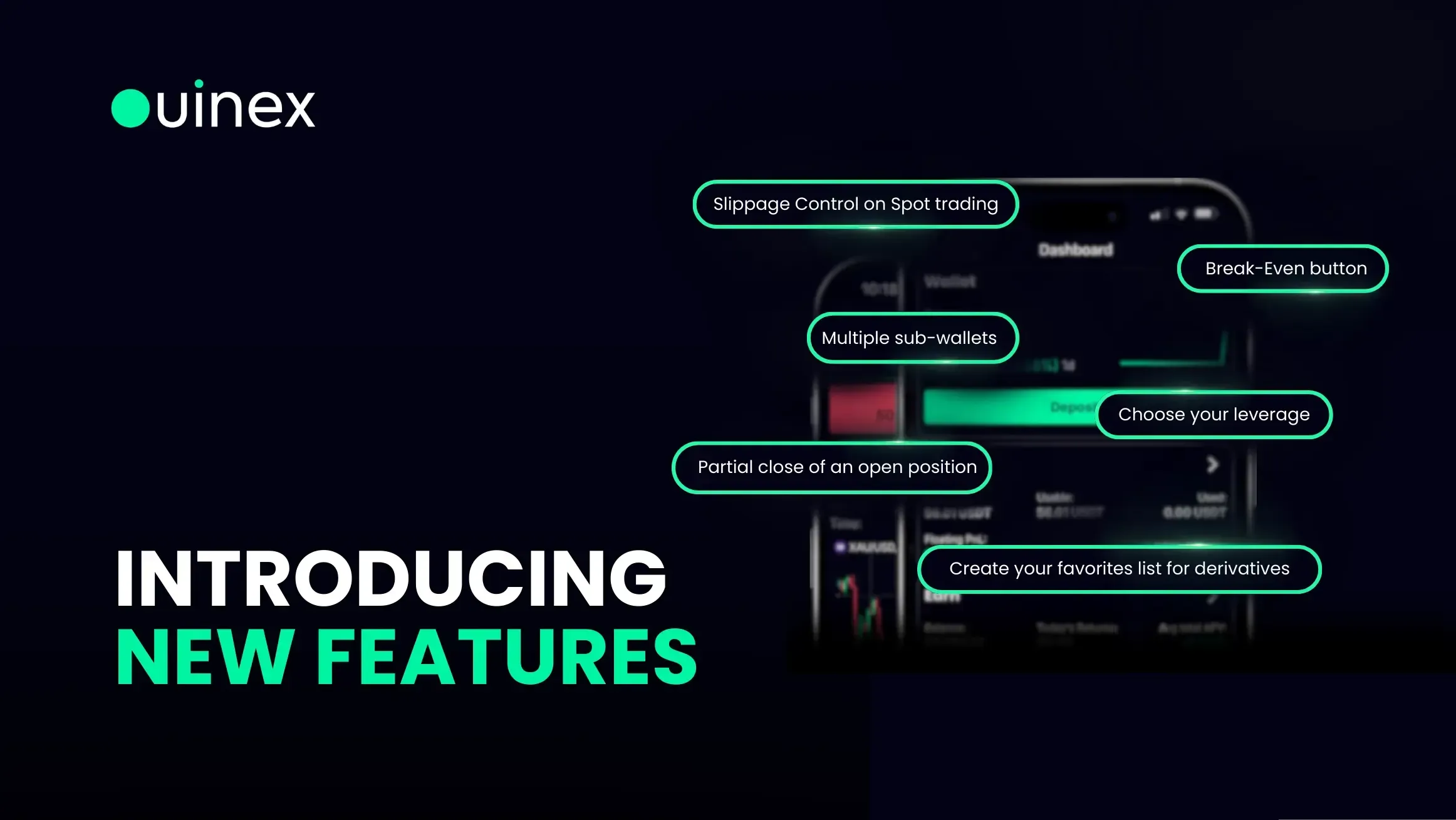
Ouinex rolls out a major feature update to enhance trade execution and capital management for all users.
Read More
Which are the best launchpads and why? How do you know a token listed on a launchpad isn’t a scam? Here’s how to discover the best launchpads and tokens.
Read More
Learn how to manage risk across assets and how to invest and trade in such a way that one bad trade...or even twenty...take you out of the game.
Read More
Don’t let the Fear Of Missing Out (FOMO) ruin your trades. Learn how automated alerts and in-app news on platforms like Ouinex can help you stay disciplined and make smarter decisions.
Read More
Trump’s tariffs have caused fear of a recession, and the price of gold spiked. Recession or not, from the California Gold Rush to modern markets, there's always a way to profit from gold.
Read More
Slippage is a huge problem for traders. This article explains how poor execution speed and unfair exchange practices can lead to constant slippage that eats away at your returns.
Read More
