Someone sent a fraction of a cent to your wallet, not you, not Ouinex. It’s a common blockchain tracking technique called a dust pollution or dust attack. Ouinex detected it, rejected it to protect your account’s compliance status, and notified you. No action needed.
Read More
From hidden costs to trading on CLOB-based exchanges, here are five crypto trading pitfalls (plus three bonus tips) and how to sidestep them
Read More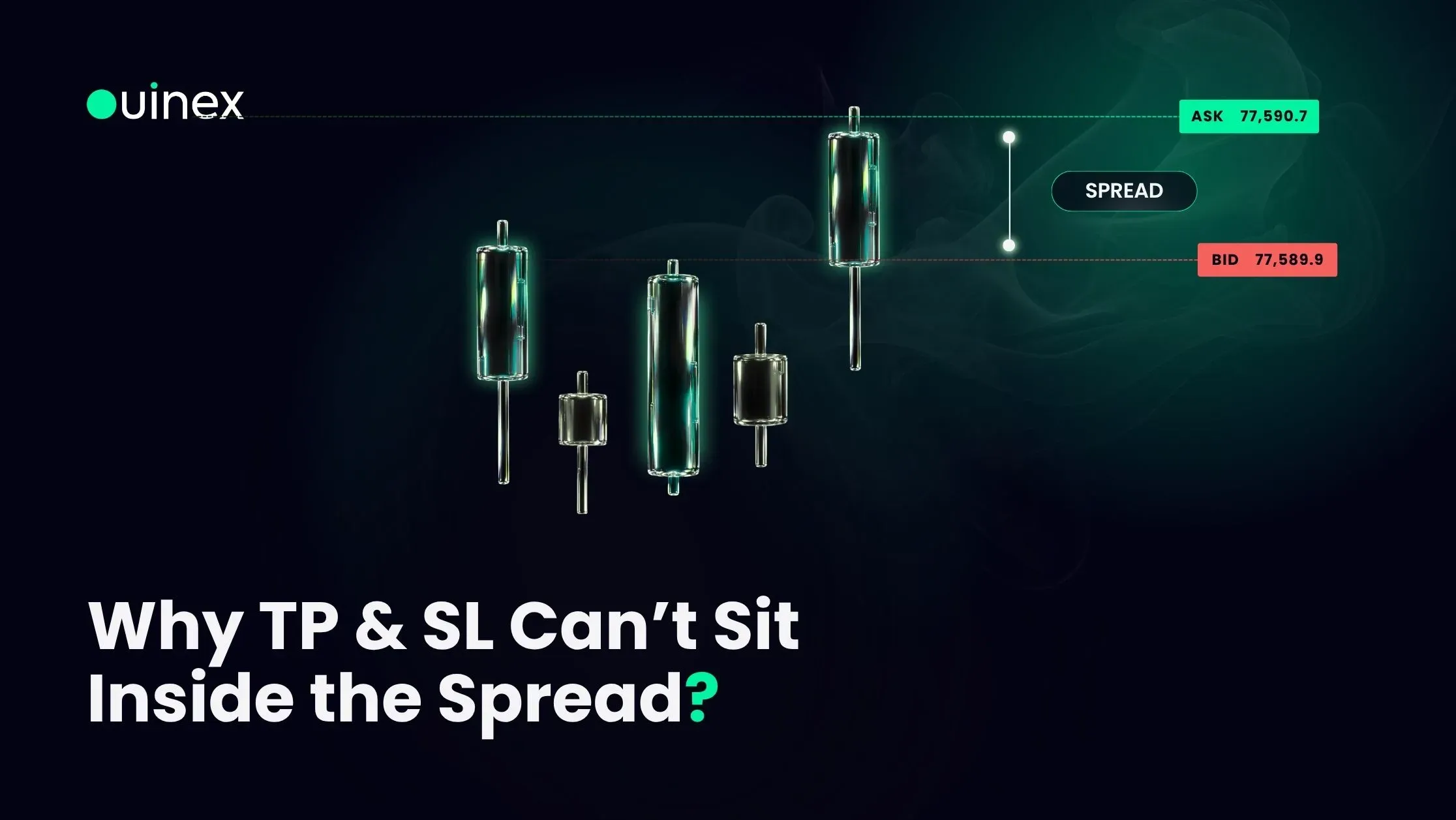
If you drag a take profit or stop loss slider close to the current price and the confirm button stops working, nothing is broken. From 4.35, Ouinex disables submission when a TP or SL level sits inside the bid-ask spread, and shows you why.
Read More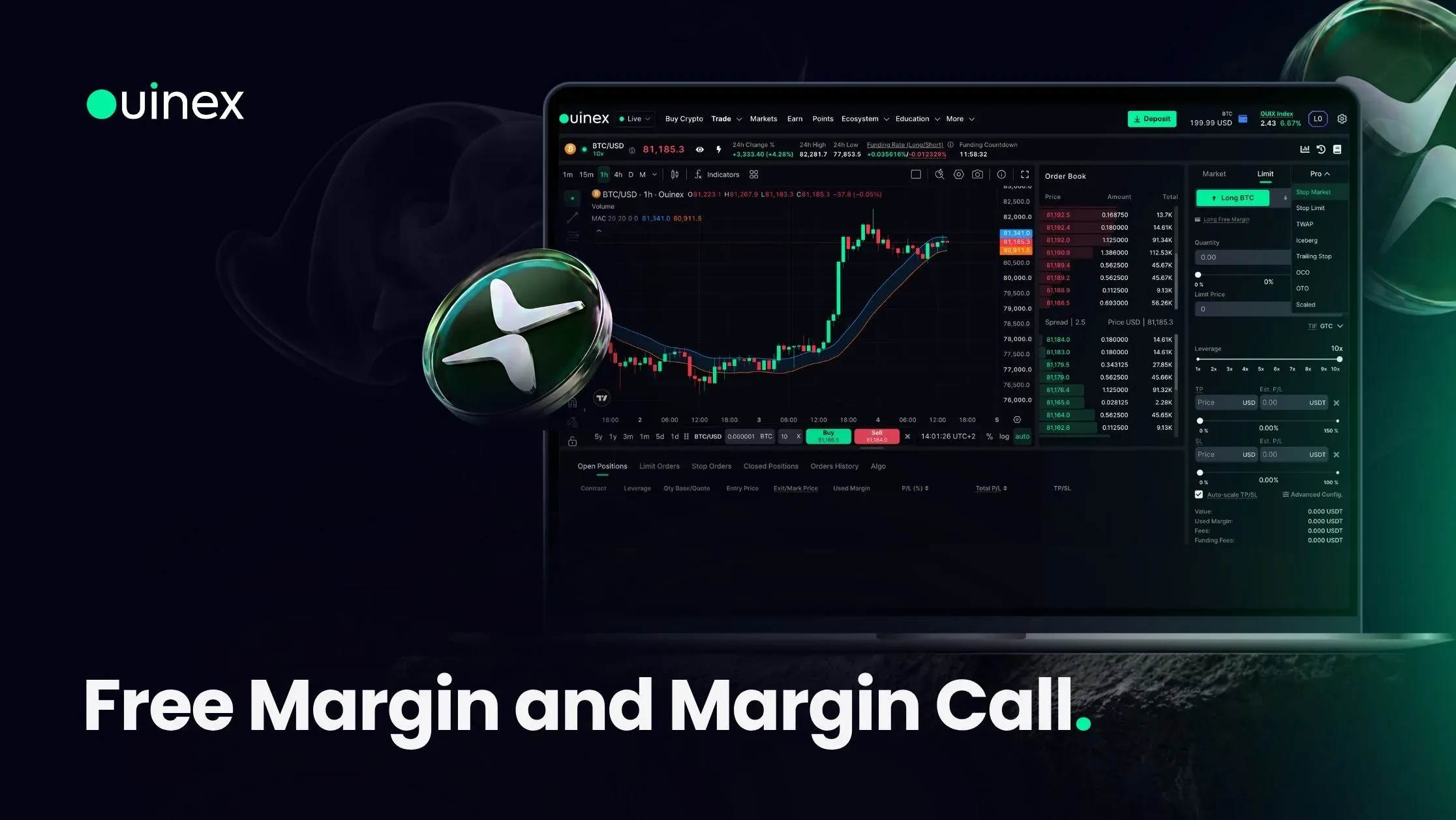
Two things about margin behave differently on Ouinex from 4.35, and both are the kind of change that generates support tickets if nobody explains them.
Read More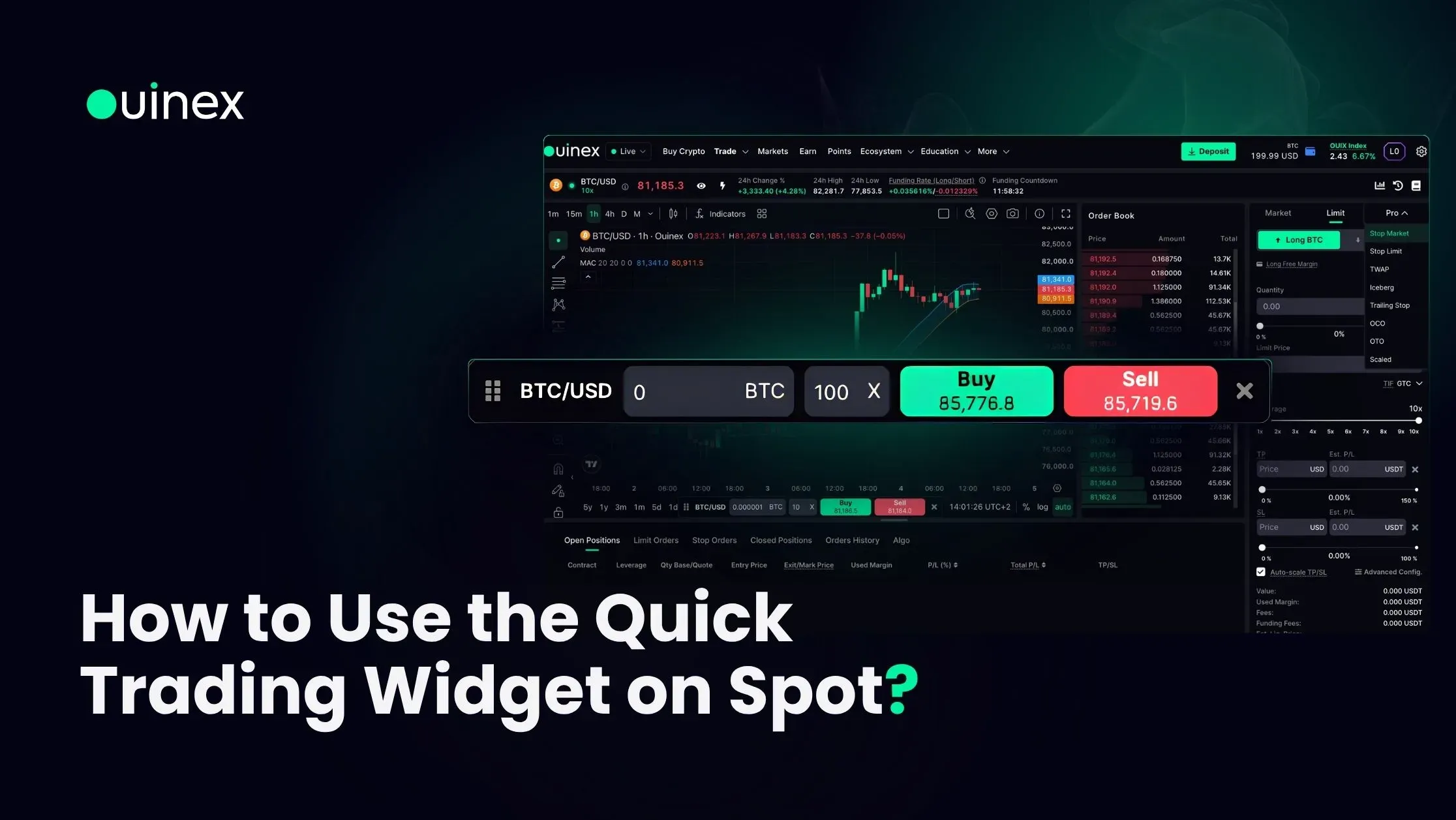
The Quick Trading widget lets you buy and sell without leaving the chart, including in full-screen mode. It has been on Derivatives for a while. From 4.35 it is on Spot as well.
Read More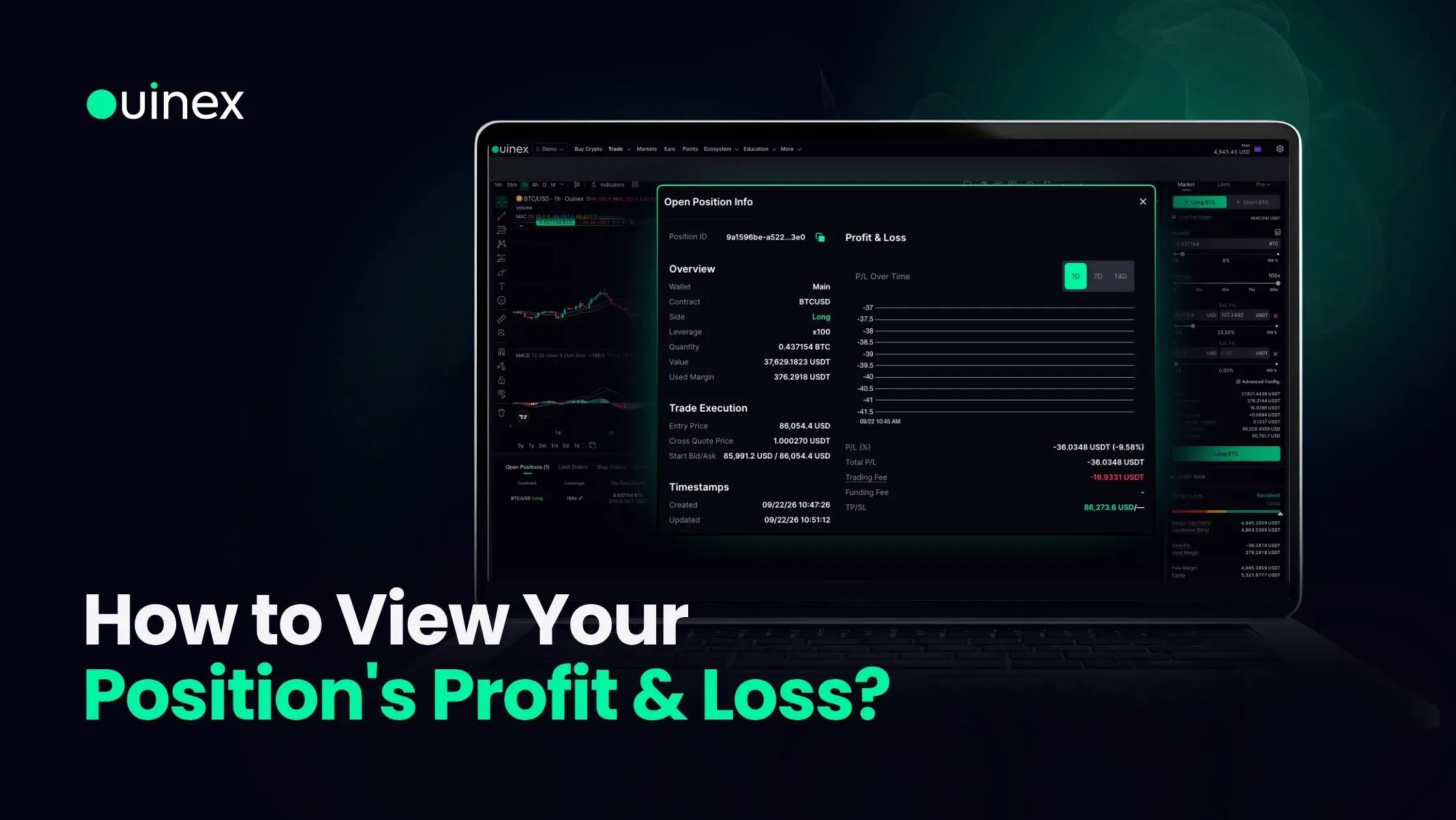
Open Positions has always shown you where a trade stands. From 4.35 it can also show you how it got there.
Read More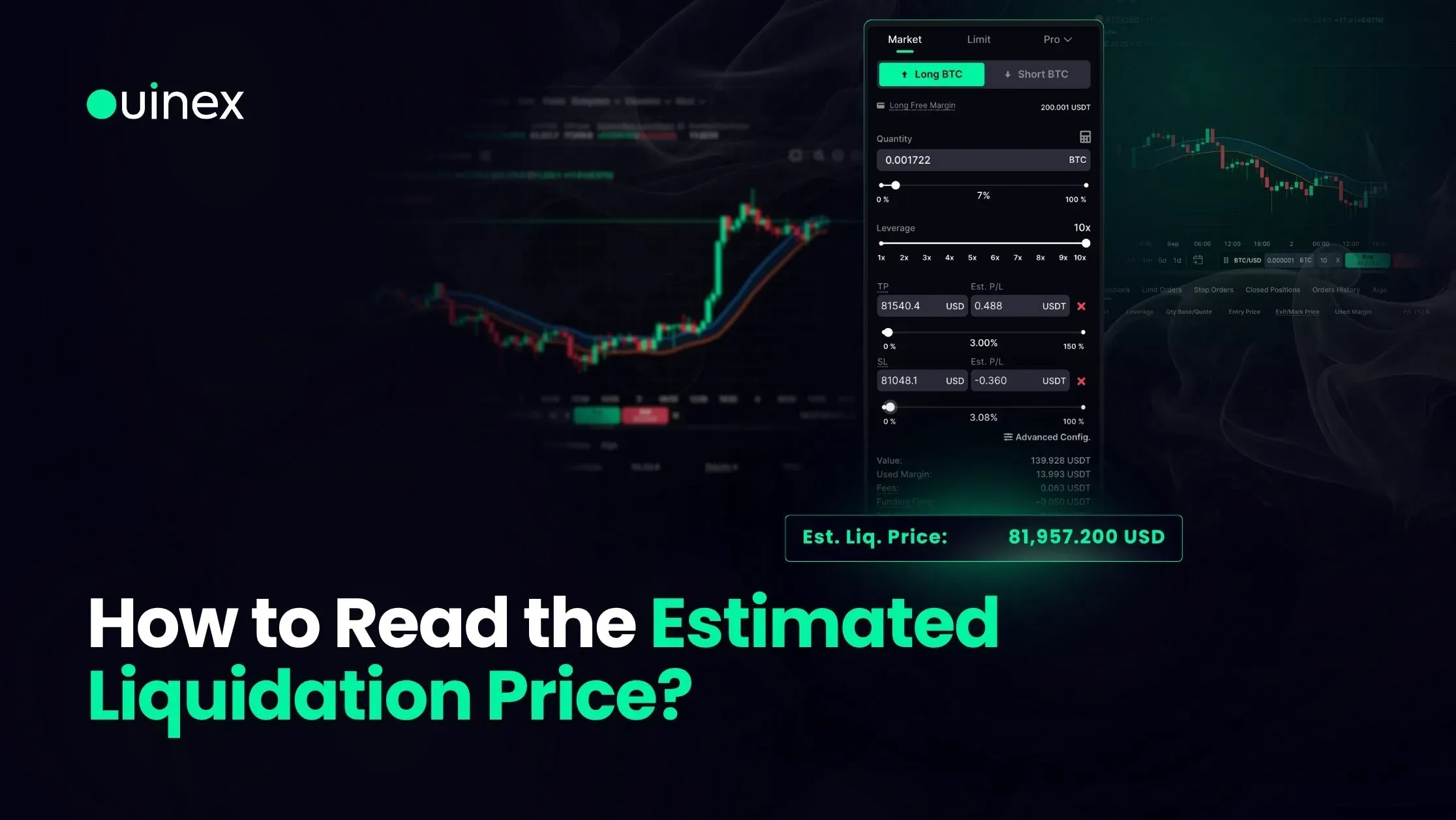
Ouinex now shows you the estimated price at which a position would be liquidated before you place the order. It sits on the Est. Liq. Price line in the order summary at the bottom of the trade form, directly above the confirm button, and it updates in real time as you change your quantity or your leverage.
Read More
A scaled order places several limit orders across a price range instead of one order at a single price. You set the top of the range, the bottom, how many orders to spread between them, and the total size. Ouinex divides the size across the orders and shows you the resulting average entry before you commit.
Read More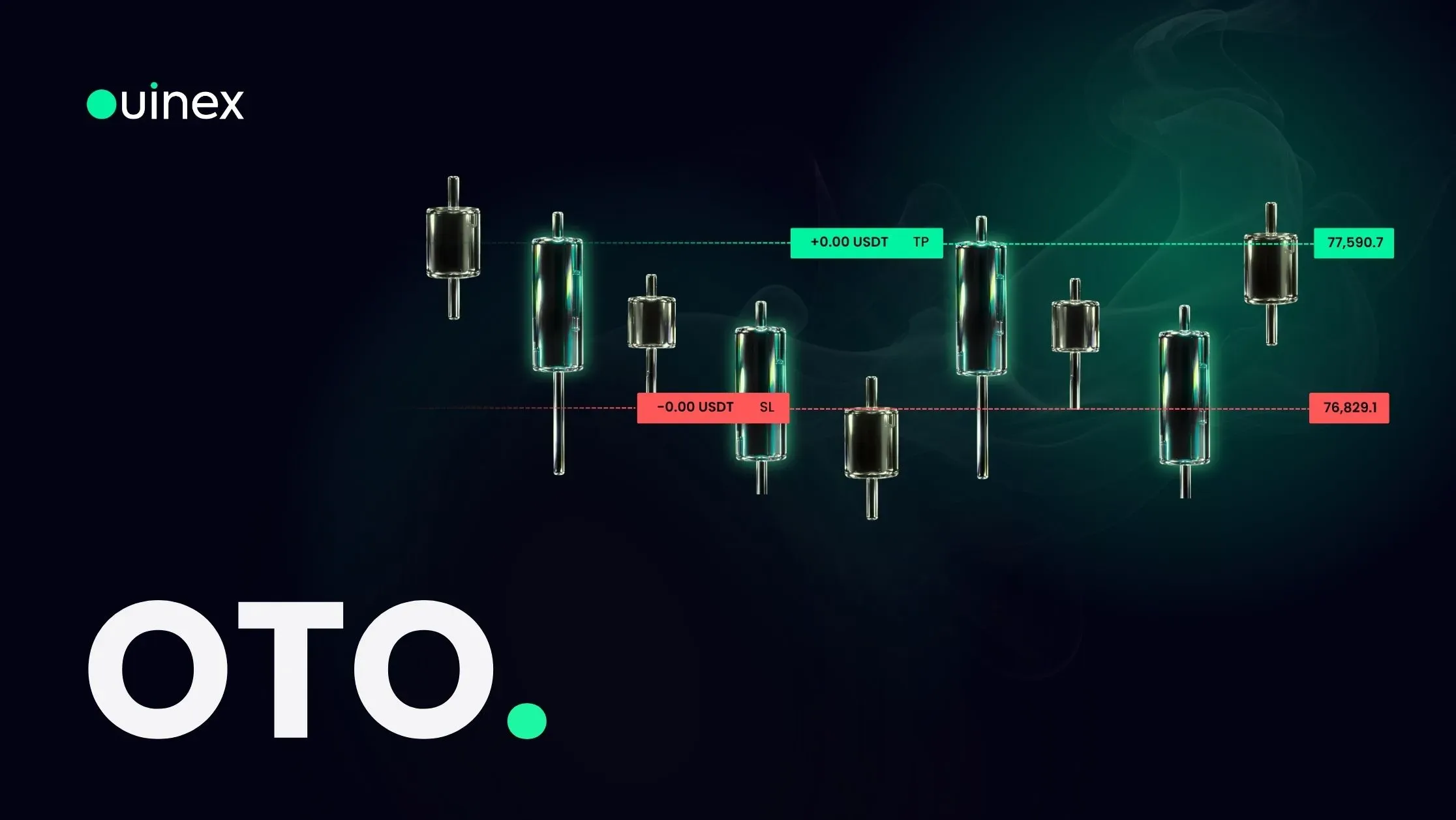
An OTO order lets you plan an entire trade in one ticket. You set the order that gets you into the position, and you set the order that will protect or close it, and the second one is submitted automatically the moment the first one fills. OTO stands for One-Triggers-the-Other, and the gap it closes is the most expensive gap in retail trading: the window between an entry filling and the trader getting round to placing a stop.
Read More
