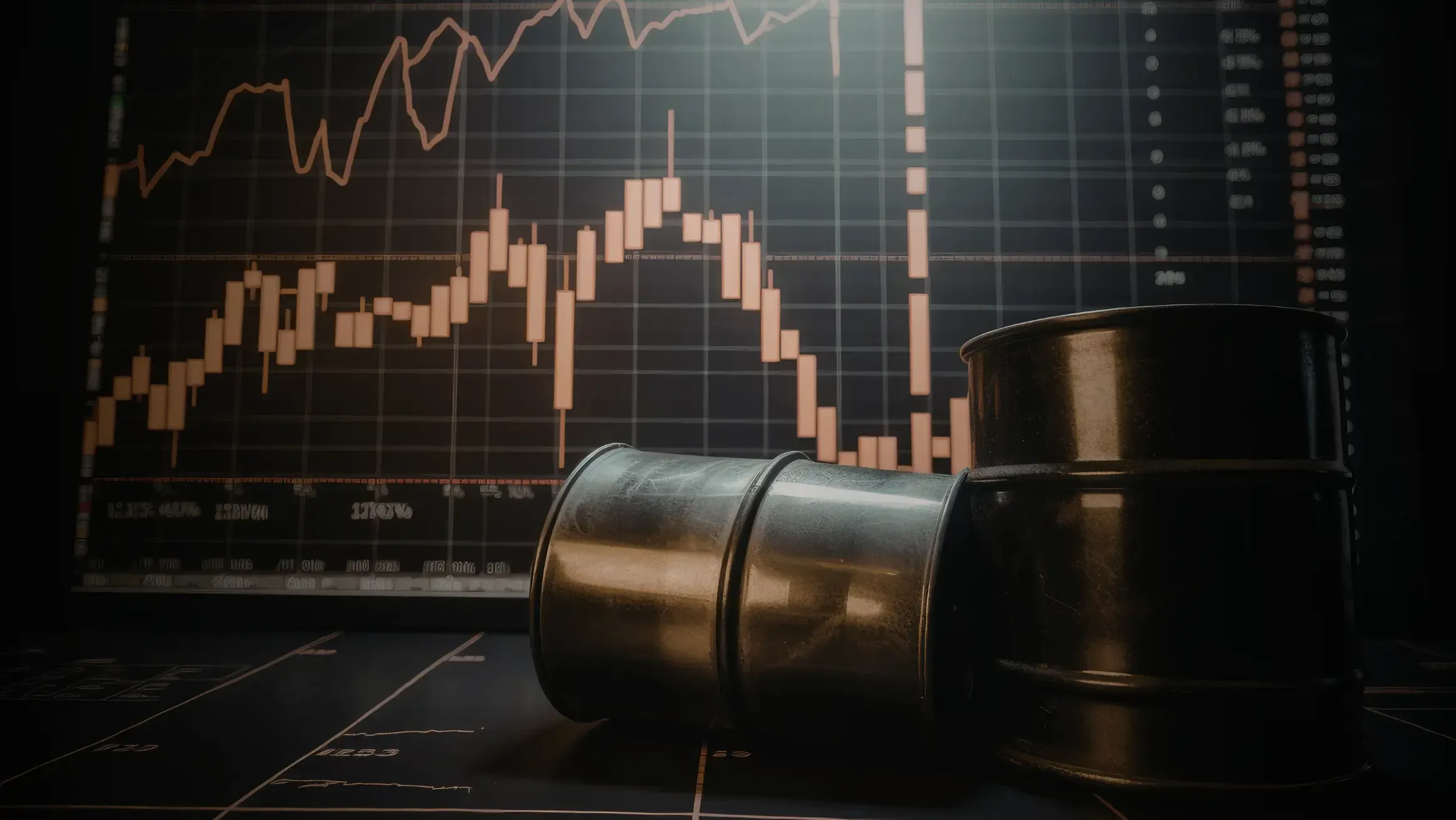
The geopolitical fever that drove crude oil briefly toward the $120 level has cooled sharply. As reports of potential Middle East de-escalation circulate, the speculative war premium embedded in oil markets is being unwound in real time. For traders, the narrative has shifted rapidly from supply security to a reassessment of risk and global demand.
Key Takeaways
- Brent and WTI crude have fallen more than 6% after signals of possible regional de-escalation.
- Global equities are stabilizing as energy price fears ease.
- Market attention is rotating back toward macro fundamentals and interest rate policy.
The Great Deflation of Energy Speculation
Energy markets moved from panic buying to rapid liquidation within hours. After surging to around $119 per barrel during the height of geopolitical tension, Brent crude is now trading near $90 per barrel, while WTI crude is hovering around $87 (though both numbers fluctuate) as traders unwind risk positioning. The reversal highlights how much speculative risk premium had been embedded in oil prices during the escalation of the conflict involving the US, Israel, and Iran. With diplomatic signals suggesting the possibility of de-escalation, markets are quickly repricing the probability of prolonged supply disruptions. It turns out that peace is bad for the oil price but excellent for your blood pressure.
Broader Market Sentiment and TradFi Shifts
As fears of a wider regional conflict ease, global equity markets are stabilizing. European benchmarks such as the FTSE 100, DAX, and the broader Stoxx 600 have been supported by the decline in energy prices, which reduces cost pressure for energy-intensive sectors. For traders, this shift in sentiment often drives capital back into traditional assets and derivatives markets. Ouinex enables users to capitalize on these shifts by allowing them to move between commodities, Forex, crypto, stocks, and indices.
Execution When Sentiment Flips
When markets move 6 to 10% in a single session, execution quality becomes critical. During geopolitical headlines, order books often thin out rapidly and volatility spikes, making slippage a major issue for retail traders. Standard execution models frequently struggle during these high-velocity news cycles. Using a platform that prioritizes transparency and slippage control helps ensure orders execute closer to the intended price even during major market swings.
Sum Up
The sudden collapse in oil prices shows how quickly geopolitical risk can inflate and deflate commodity markets. With the war premium fading, the focus returns to the fundamentals that ultimately drive energy markets.
Disclaimer
This article does not constitute investment advice, financial advice, or a recommendation to buy, sell, or trade any asset.
Key Risks You Should Understand:
- Virtual assets (cryptocurrencies) can lose their value entirely and are subject to extreme volatility. You may lose your entire investment.
- Government policy changes, including shutdowns, can cause severe and sudden market movements. Past market behavior does not predict future results.
- Trading with leverage (derivatives, perpetuals) can result in losses exceeding your initial deposit. At high leverage, a small price movement can liquidate your entire position.
- Crypto is not insured by government protections. If an exchange fails or is hacked, you may lose all funds.
- Market liquidity can disappear during crises. You may not be able to exit positions at expected prices.
Ouinex's services vary by location and are subject to change. You are responsible for complying with laws in your jurisdiction. Always conduct your own research and consult qualified professionals before making financial decisions. All investments carry risk.