The energy sector is currently locked in a high-stakes game of geopolitical chicken. With the Strait of Hormuz largely impassable and military deadlines shifting by the day, oil prices have resumed their upward trajectory. Investors are struggling to price in a conflict that seems to have no clear exit strategy.
Key Takeaways
- Brent crude is trading near $110 per barrel as supply fears persist.
- The Strait of Hormuz remains a critical bottleneck, impacting roughly 20 percent of global oil demand.
- Equity markets are sliding into the red, with the Nasdaq entering correction territory.
- Increased volatility is driving a flight to quality and a surge in commodity derivatives volume.
The Hormuz Bottleneck
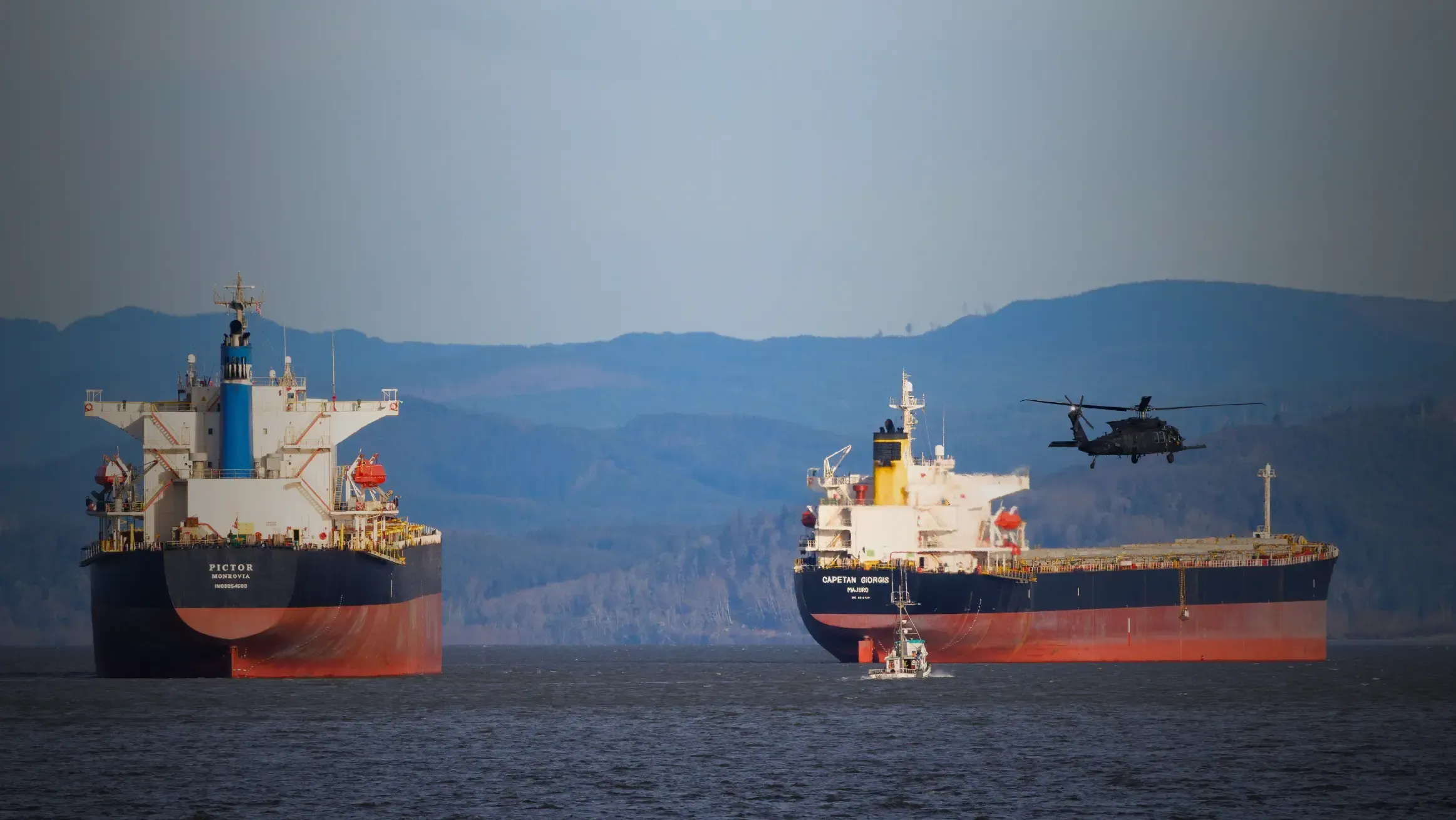
The effective closure of the Strait of Hormuz has trapped millions of barrels of crude, forcing global refiners to scramble for alternatives. While President Trump recently extended a deadline for potential strikes on Iranian energy infrastructure to April 6, the market remains skeptical. The supply shock is real: Middle Eastern producers have already been forced to shut in millions of barrels per day because the oil simply has nowhere to go. Physical shortages are beginning to manifest in Asia and are expected to hit European markets by early April.
Market Reaction and Data
As of today, Brent crude futures are trading at approximately $110 per barrel, up around 2.6 percent. West Texas Intermediate (WTI) has followed suit, climbing to around $97. The equity markets are not sharing in this energy-driven enthusiasm. The S&P 500 futures remain under pressure, while the Nasdaq has slipped more than 0.7 percent today. The only thing more congested than the Strait of Hormuz right now is the constant stream of conflicting headlines from Washington and Tehran. Inflation worries are pushing 10-year Treasury yields toward 4.5 percent, creating a significant headwind for growth stocks.
Navigating the Noise
In an environment defined by violent price swings, execution quality becomes a matter of survival—not just preference. Fast execution, slippage control, precise take-profit and stop-loss settings, and the ability to pivot quickly are essential.
All of this is possible on Ouinex.
Risk management and hedging are also made simpler, with sub-wallets that let you separate and manage different assets more effectively.
Sum Up
Geopolitical instability has once again turned oil into a high-volatility asset class. Success in this market requires precise execution and the ability to pivot quickly.
Disclaimer
This article does not constitute investment advice, financial advice, or a recommendation to buy, sell, or trade any asset.
Key Risks You Should Understand:
- Virtual assets (cryptocurrencies) can lose their value entirely and are subject to extreme volatility. You may lose your entire investment.
- Government policy changes, including shutdowns, can cause severe and sudden market movements. Past market behavior does not predict future results.
- Trading with leverage (derivatives, perpetuals) can result in losses exceeding your initial deposit. At high leverage, a small price movement can liquidate your entire position.
- Crypto is not insured by government protections. If an exchange fails or is hacked, you may lose all funds.
- Market liquidity can disappear during crises. You may not be able to exit positions at expected prices.
Ouinex's services vary by location and are subject to change. You are responsible for complying with laws in your jurisdiction. Always conduct your own research and consult qualified professionals before making financial decisions. All investments carry risk.