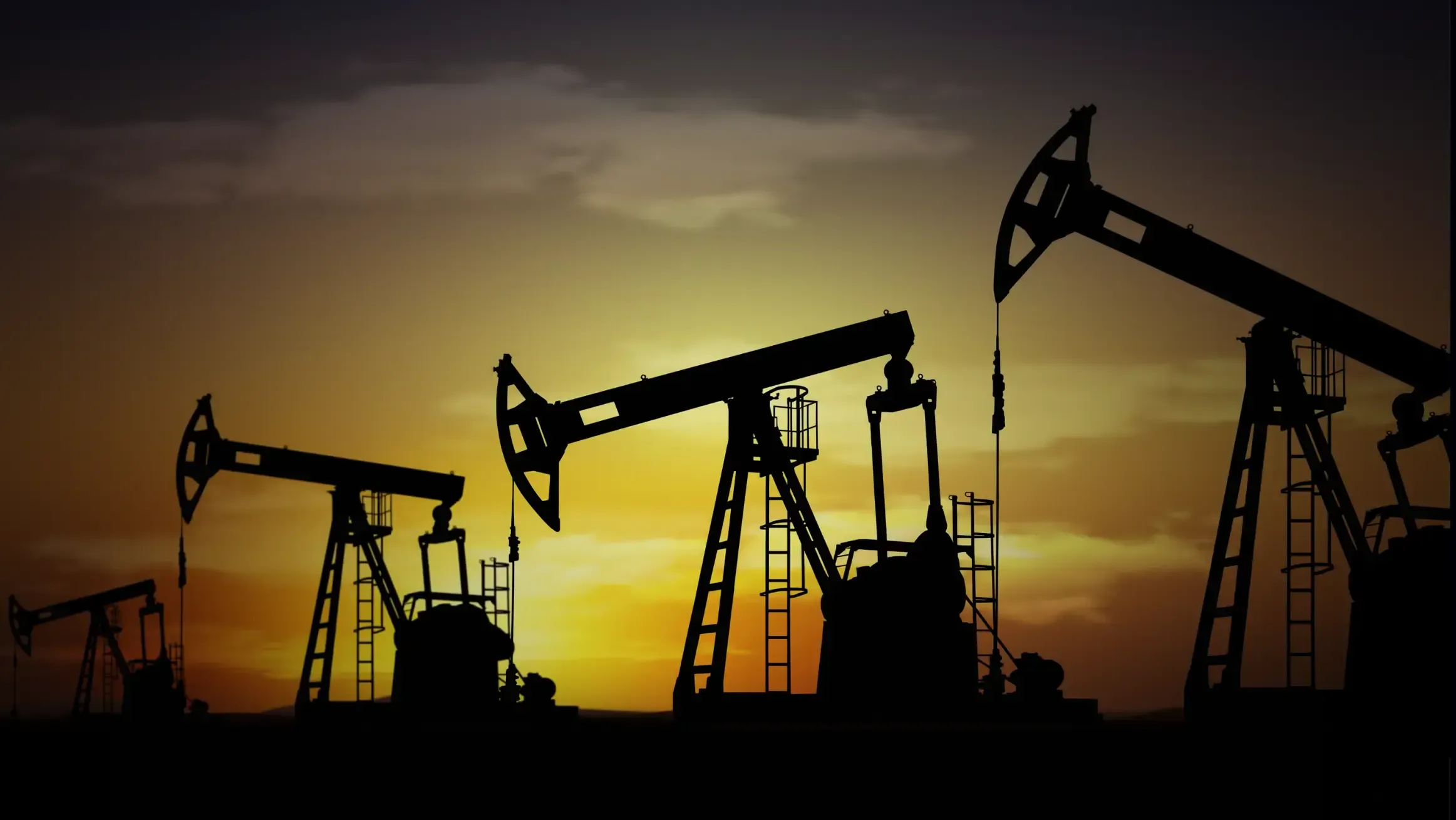
Energy markets are reacting sharply to the escalation of hostilities involving the United States, Israel, and Iran. Diplomatic efforts remain stalled and the physical threat to oil infrastructure has shifted from theoretical risk to a primary market driver. Traders are now pricing a significant war premium as the prospect of ongoing disruption in the Persian Gulf looms. Oil prices have surged more than 25 percent, reaching their highest levels since mid-2022 as some major producers cut supplies and concerns about persistent shipping disruptions grow.
Key Takeaways
- Brent and West Texas Intermediate crude have surged sharply amid heightened regional instability.
- The Strait of Hormuz, a vital transit point for global oil shipments, remains a focus of market concern.
- Kharg Island, Iran’s principal crude export terminal, has not been struck, but market participants view it as a potential leverage point in the conflict. Any future disruption there could sharply tighten global supply.
Supply Chains Under Fire
Recent escalations have placed global energy transit points under intense scrutiny. Market participants are closely monitoring the Strait of Hormuz, which handles roughly 20 percent of the world’s crude oil and natural gas shipments. Disruption to tanker traffic could remove millions of barrels from the global market and increase insurance costs.
Crude prices are now well above $100 per barrel. Brent crude has traded north of $110 and reached around $116 in early sessions, while West Texas Intermediate has climbed into the low to mid $110 range.
The Threat to Global Logistics
Security in the Red Sea and the Strait of Hormuz is under intense pressure. Oil tanker insurance premiums are rising, and any kinetic action against energy infrastructure could push crude prices higher. Kharg Island is a potential flashpoint; while it has not been struck, disruption there would significantly impact global supply. Market risk pricing already reflects concern about potential future blockades or damage.
If the conflict expands to involve additional regional players, the current elevated price levels may become the baseline for energy markets, with sustained volatility and periodic spikes as markets reprice risk.
Escalation and Market Impact
The expansion of the conflict into a U.S.-Israeli confrontation with Iran has raised the risk profile for commodities. Markets are no longer just assessing geopolitical tension; they are actively hedging against potential systemic disruption of global oil supply. This shift is placing pressure on broader financial markets and influencing expectations for inflation and monetary policy. Rising energy costs could feed into headline inflation and affect central bank outlooks on interest rates.
These events are forcing an immediate rethink of the 2026 global economic outlook:
- Stagflation risks: Economists are warning of a potential stagflationary environment where growth stalls while energy-driven inflation spikes.
- Central bank policy: Expectations for interest rate cuts this year are being shelved. Central banks, including the ECB and the Bank of Canada, are now being priced for potential hikes to counter energy-led inflation.
- Equity sell-off: Global markets, particularly in Asia, have reacted sharply (Nikkei and Kospi down over 5%). Meanwhile, investors are moving to quality, with the US Dollar strengthening as a primary safe haven.
For those navigating this volatility, Ouinex offers a multi-asset exchange to trade TradFi derivatives, including commodities and stock indices, as well as spot crypto.
Short Summary
Oil markets remain on high alert as the United States, Israel, and Iran enter a more volatile phase. Supply fears dominate the narrative, and market participants are preparing for the possibility of prolonged disruption to energy flows and elevated prices for an extended period.
Disclaimer
This article does not constitute investment advice, financial advice, or a recommendation to buy, sell, or trade any asset.
Key Risks You Should Understand:
- Virtual assets (cryptocurrencies) can lose their value entirely and are subject to extreme volatility. You may lose your entire investment.
- Government policy changes, including shutdowns, can cause severe and sudden market movements. Past market behavior does not predict future results.
- Trading with leverage (derivatives, perpetuals) can result in losses exceeding your initial deposit. At high leverage, a small price movement can liquidate your entire position.
- Crypto is not insured by government protections. If an exchange fails or is hacked, you may lose all funds.
- Market liquidity can disappear during crises. You may not be able to exit positions at expected prices.
Ouinex's services vary by location and are subject to change. You are responsible for complying with laws in your jurisdiction. Always conduct your own research and consult qualified professionals before making financial decisions. All investments carry risk.