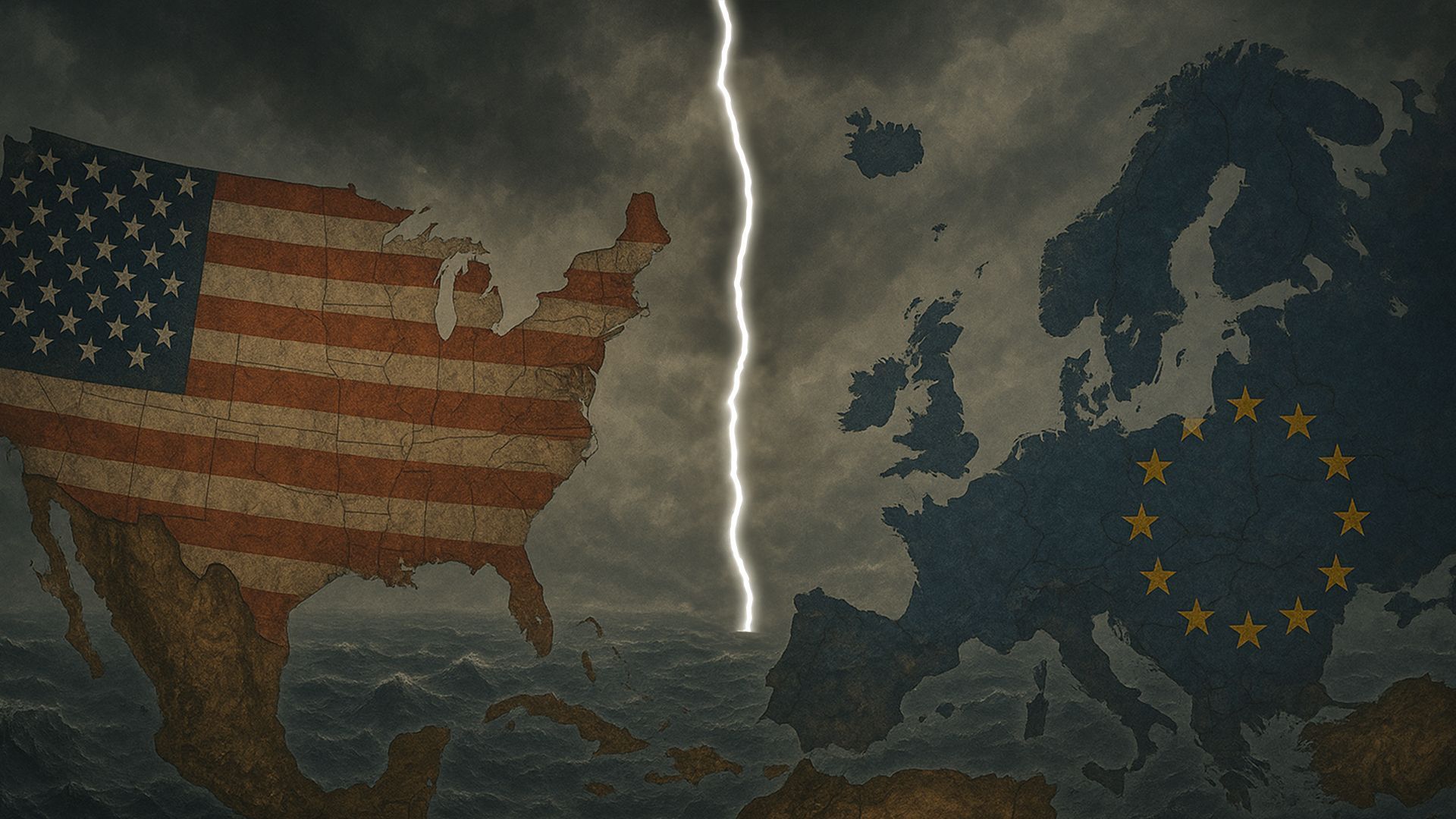
Tensions escalated on Monday, July 21: the European Union has just crossed a decisive threshold in preparing massive retaliation against the tariffs announced by Donald Trump. While the climate was already charged, the prospects of an open trade confrontation are now more real than ever, with less than ten days left before the crucial date of August 1st.
Europe Flexes Its Muscles (At Last) in Response
After weeks of cautious diplomacy, Brussels is now switching to an offensive mode. The European ambassadors, meeting today, have adopted a roadmap that goes far beyond traditional customs duties: not only could the €21 billion in taxes already prepared to hit strategic American products be triggered just after August 6th, but the EU is also preparing an additional arsenal worth €72 billion, targeting aeronautics, automotive, agri-food, IT, and more.
Notable innovation: for the first time, Europe is threatening to activate its Anti-Coercion Instrument (ACI), initially designed for China. This mechanism would limit U.S. companies’ access to EU public procurement, hinder certain financings, and even impose targeted restrictions on financial services. This represents a real ramping up of the response, sending a strong signal to both Washington and Beijing.
Germany Crosses the Rubicon
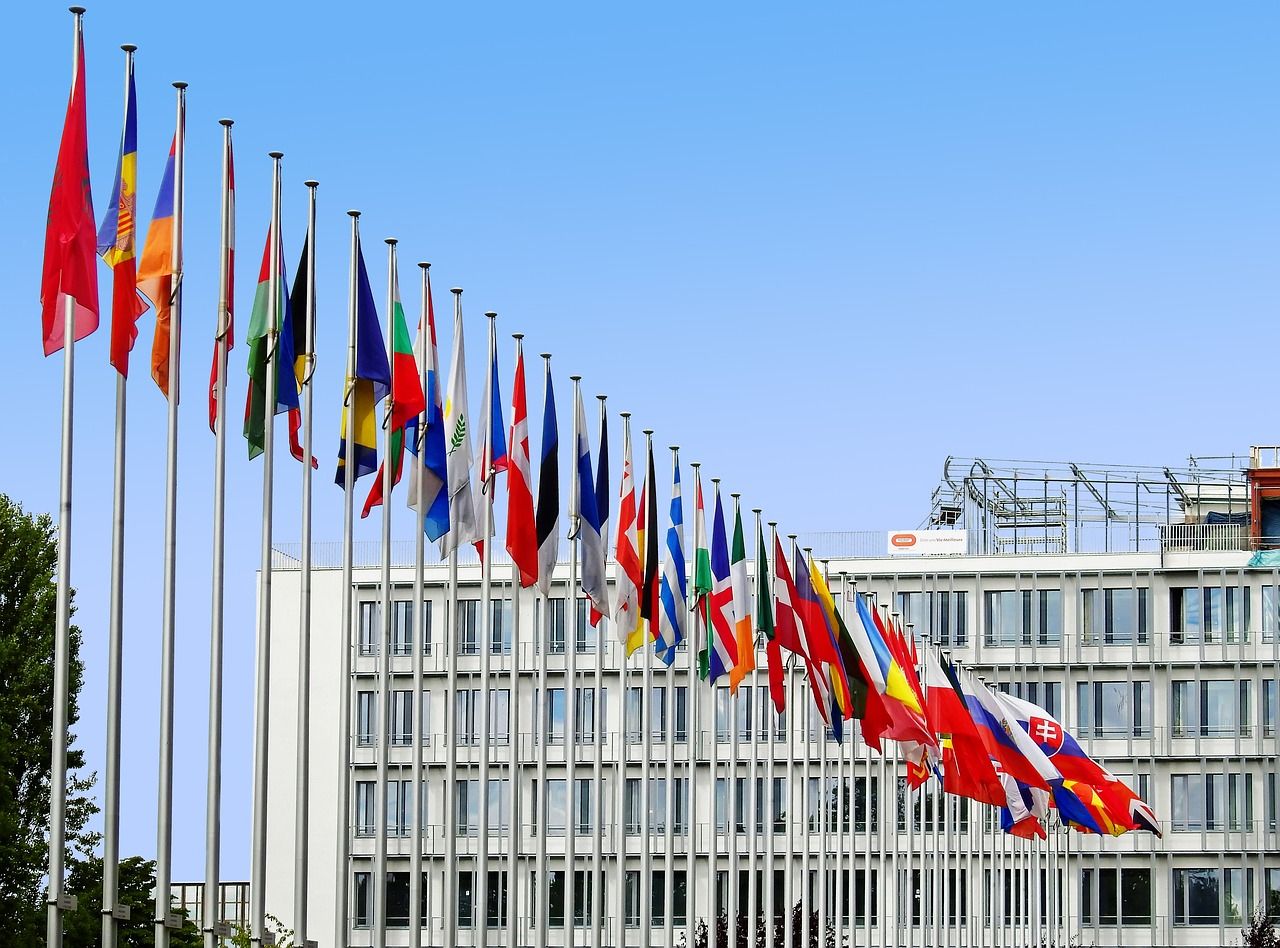
The day’s highlight: Berlin, previously in favor of negotiation, now backs the hardline French stance. Germany says it is now ready to activate the ACI, which was not guaranteed: a true game-changer. This could prompt the entire bloc to speak with a single voice and make escalation more credible (and thus more feared on Wall Street).
Sector Impacts: Who Will Pay the Price?
This frontal clash scenario puts several major sectors in the hot seat: the German automotive industry (already weakened by electrification), pharmaceuticals (Ireland, Switzerland), aeronautics (France/Spain), but also agri-food (Italy, Spain, France). The United States, for its part, could see iconic products targeted in return: bourbon, Harley Davidson, US tech, etc.
One point of note: some European manufacturers are already anticipating logistical disruptions, added costs, and loss of market share, especially as global demand slows. Analysts already speak of potential downward revisions in growth as early as Q3 if no deal is struck.
ECB: Forced Pause in Monetary Policy?
Another immediate effect today: several economists, quoted in the financial press, estimate that the ECB may have to halt its rate-cutting cycle. A 30% tariff would drive up import prices (on cars, medicines, tech), curbing the room to ease monetary policy and support growth.
Washington: The Hard Line Takes Hold
On the American side, there is no retreat: the Commerce Secretary confirmed Monday that the August 1st date is firm. A “base” tariff of 10% could be applied to so-called “cooperative” countries, but the EU is clearly targeted by the maximum 30% version. The White House is also preparing the public for turbulence, relying on the dollar’s solidity and strong US techs to limit market volatility.
And the Markets?
Surprisingly, Wall Street isn’t panicking yet. But implied volatility is rising on industrial stocks, the euro remains under pressure against the dollar, and credit spreads are widening on European corporates. Investors remain on hold, but a lack of compromise by August 1st could trigger a massive sell-off.
What to Watch For:
- Forthcoming official announcements from the ECB, and a possible pause in rate cuts.
- Last-minute negotiations between Washington and Brussels: any deal, even partial, would be seen as a relief by markets.
- Mobilization of European industry, with intense lobbying to avoid escalation.
- Political signals: any statement from Trump or the European presidency likely to shift positions at the last minute.