DOJ Scales Back Crypto Crackdown as Trump Administration Eases Oversight
Updated April 2025
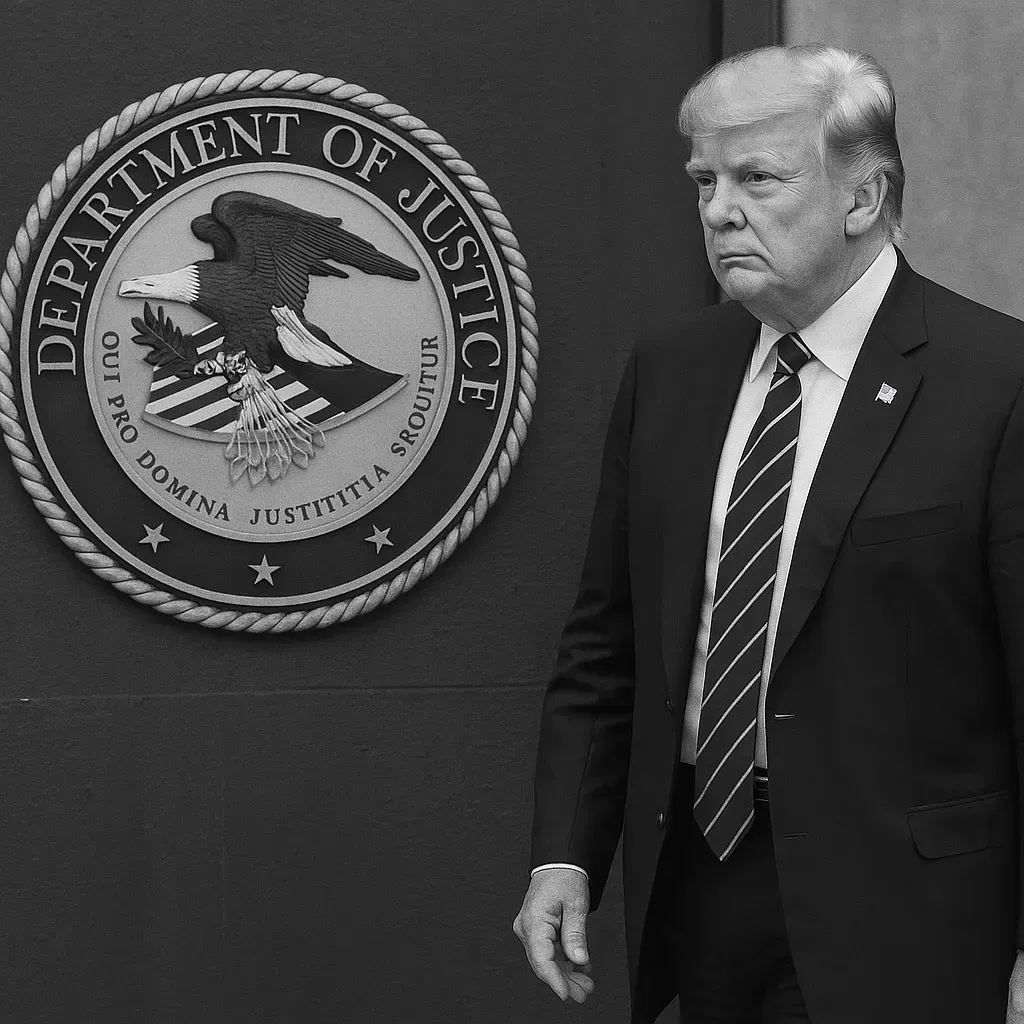
In a landmark move that signals a dramatic shift in the U.S. government’s approach to digital asset regulation, the Department of Justice (DOJ) has disbanded its National Cryptocurrency Enforcement Team, effectively winding down years of aggressive crypto-related prosecutions.
The decision, announced quietly but with sweeping implications, forms part of President Donald Trump’s broader strategy to reduce regulatory burdens on the American blockchain industry. The DOJ says it will now focus strictly on criminal misuse of digital assets, including their role in terrorism, human trafficking, money laundering, and fraud, instead of targeting developers, blockchain startups, or trading platforms operating in legal grey zones.
The move aligns with a parallel softening of policy at the Securities and Exchange Commission (SEC), where Chairman Gary Gensler recently announced a “pause” on several enforcement actions against crypto exchanges and projects, many of which had sparked controversy for stifling innovation.
Legal experts and industry leaders have welcomed the DOJ’s announcement as a long-overdue course correction after years of regulatory uncertainty that pushed many blockchain firms to relocate overseas.
“This is the clearest signal yet that the U.S. wants to reclaim its leadership in crypto innovation,” said Amber Nolan, general counsel for blockchain think tank Decentral Future. “It tells builders: you’re not criminals just for launching a protocol or issuing a token.”
The now-defunct enforcement team was originally formed in 2021 under the Biden administration, with the remit to tackle illicit financial activity involving cryptocurrencies. But over time, critics say it veered into overly broad territory, targeting DeFi platforms, token launches, and even NFT marketplaces with questionable legal grounding.
Under the Trump administration’s new directive, the DOJ will concentrate its crypto enforcement efforts on clear criminal conduct, drawing a firmer line between technological innovation and illegal exploitation.
“What we’re doing is narrowing the scope,” said a DOJ spokesperson. “We’re not here to shut down innovation; we’re here to stop bad actors who exploit it.”
Despite the political undertones, the announcement has drawn cautious optimism from across the crypto industry. Major exchanges like Coinbase and Kraken, long embroiled in battles with U.S. regulators, have seen modest bumps in trading volume and investor sentiment since the shift was reported.
Still, critics warn that a lighter-touch approach must be accompanied by updated legislation and clearer regulatory frameworks, lest the space descend into lawlessness.
“Pulling back enforcement without reforming the laws creates a vacuum,” argued Caitlin Long, CEO of Custodia Bank. “What we need now is clarity, not chaos.”
For now, though, the dismantling of the crypto enforcement team represents a turning point. After years of aggressive oversight, the U.S. appears to be signalling to entrepreneurs and investors alike: the crackdown is over, and the doors to innovation are once again open.