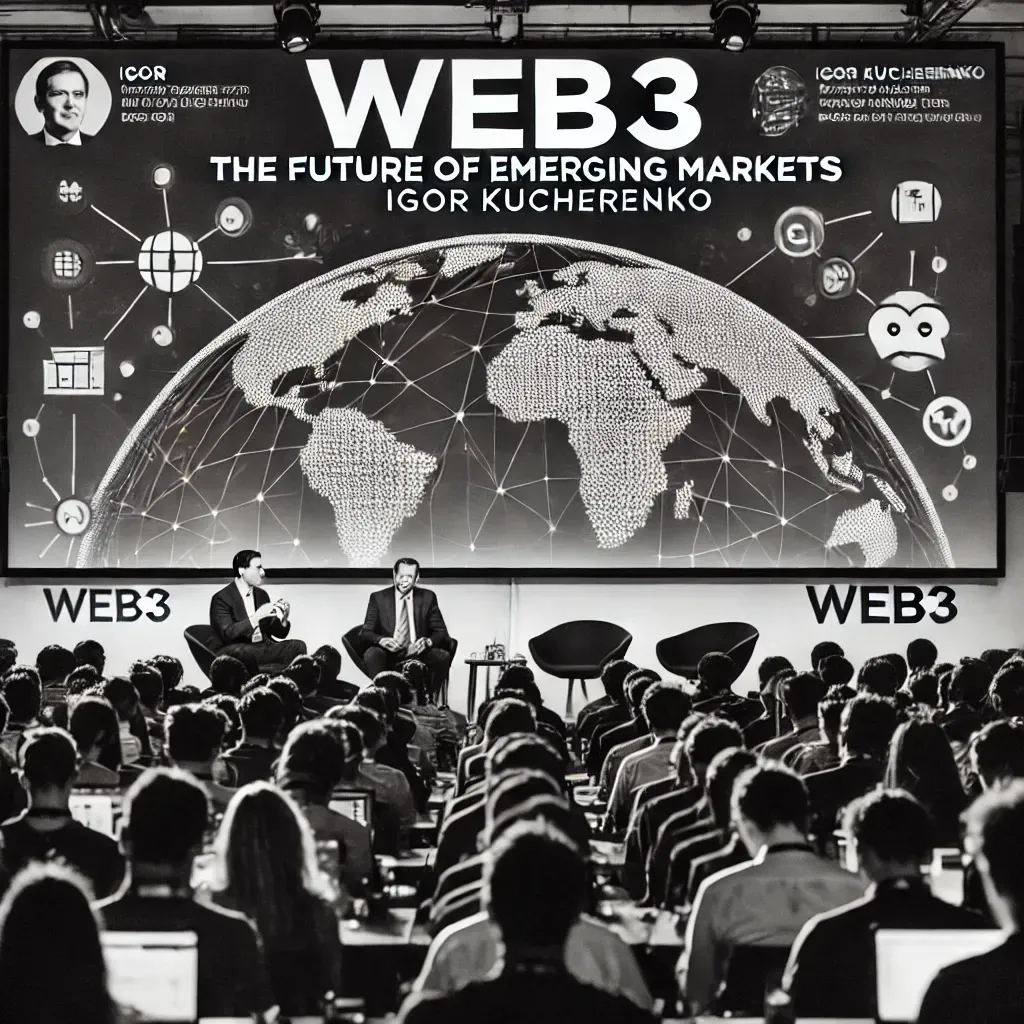
The future of digital economies is unfolding fast, and W© is at the heart of it especially in emerging markets, according to Igor Kucherenko, co-founder of HitBit Pro and Head of Pateplay Africa.
In a recent discussion, Kucherenko described Web3 not just as an innovation, but a revolution one that is reshaping financial access, economic opportunities, and digital ownership in regions that have long been underserved by traditional financial systems.
Why Web3 Matters in Emerging Markets
Emerging economies have often faced barriers to financial inclusion, from lack of banking infrastructure to currency instability. Web3’s decentralized financial systems, powered by blockchain technology, offer a solution to these long-standing issues.
Kucherenko highlights three key areas where Web3 is making an impact:
✔ Financial Inclusion – Millions of people who previously had no access to banking services can now store, send, and receive money through crypto wallets and DeFi platforms.
✔ New Income Streams – Play-to-earn gaming, NFTs, and decentralized work opportunities are enabling new ways for people to earn money, bypassing traditional economic limitations.
✔ Cross-Border Transactions – Emerging markets suffer from expensive remittance fees; stablecoins and blockchain payments are making international transactions cheaper and faster.
"Web3 levels the playing field," says Kucherenko. "It gives people in emerging markets access to the same financial tools and opportunities as those in developed economies."
Africa and Latin America Leading the Charge
While Web3 adoption is growing worldwide, Kucherenko sees Africa and Latin America as the most exciting frontiers. These regions have shown explosive growth in crypto adoption, largely driven by remittances, mobile payments, and inflation protection.
In places where trust in financial institutions is low, decentralized solutions are gaining traction fast.
"People in emerging markets aren’t waiting for permission to innovate," Kucherenko adds. "They’re already using Web3 to build new financial systems from the ground up."
Challenges and the Road Ahead
Of course, Web3 isn’t without obstacles. Regulatory uncertainty, internet accessibility, and lack of education on blockchain technology remain key hurdles.
Still, Kucherenko believes that with the right infrastructure and education, Web3 could become the foundation of the next digital economy.
"This isn’t just about crypto it’s about freedom, access, and opportunity," he says.
The Web3 Revolution is Just Beginning
With Web3 adoption accelerating in emerging markets, its potential to reshape global economies is undeniable.
For Kucherenko, the message is clear: Web3 is more than just an evolution it’s an economic lifeline for millions.