South Korea Lifts Ban on Corporate Participation in Crypto Asset Trading
Updated February 2025
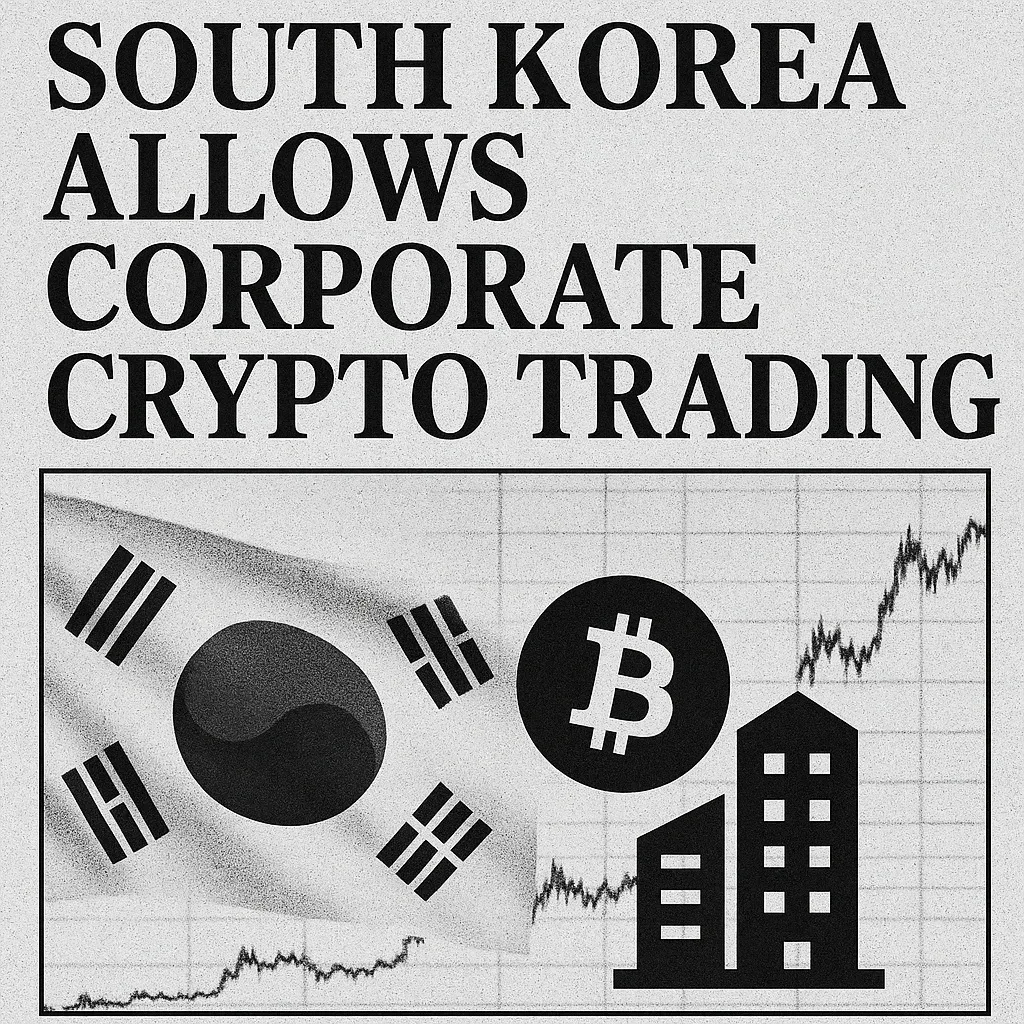
In a historic move, South Korea has officially lifted its ban on corporate participation in crypto trading. This decision marks a significant shift in the country’s approach to digital assets and is expected to accelerate institutional adoption in the crypto market.
Regulatory Changes and Crypto Trading New Guidelines
The Financial Services Commission (FSC) announced that businesses will now be allowed to trade and hold digital assets under new regulatory guidelines. Previously, South Korean firms were restricted from directly engaging in crypto trading, limiting their exposure to digital assets. With this policy reversal, corporations, financial institutions, and investment firms can now actively participate in crypto markets.
Implications for the Crypto Industry
This regulatory shift is expected to bring several key benefits:
- Increased Institutional Investment: With corporations now able to invest in digital assets, market liquidity is expected to rise.
- Greater Market Stability: Institutional involvement typically leads to more mature and stable market conditions.
- Enhanced Regulatory Oversight: While the ban is lifted, new compliance measures will be introduced to ensure transparency and investor protection.
South Korea’s Growing Role in Crypto Adoption
South Korea has always been a major player in the global cryptocurrency industry, with some of the largest trading volumes in the world. The government’s decision to allow corporate participation signals a strong commitment to legitimising digital assets while maintaining oversight to prevent fraud and illicit activities.
How This Affects Crypto Traders and Exchanges
- More Institutional Trading: Increased participation from institutions could reduce market manipulation and price volatility.
- Boost for Local Crypto Exchanges: South Korean exchanges like Upbit, Bithumb, and Coinone are likely to see an uptick in trading activity.
- Potential for New Crypto Products: This move creates opportunities for the development of crypto ETFs, custody solutions, and institutional-grade investment products.
Crypto Trading Challenges and Future Outlook
While this move is a positive step, compliance requirements and taxation policies will play a crucial role in shaping how institutions adopt crypto trading. Companies will need to navigate evolving regulations to ensure compliance with anti-money laundering (AML) and tax laws.
Market analysts predict that South Korea’s policy change could influence other nations considering similar regulatory shifts. If successful, it could set a global precedent for institutional involvement in digital assets.
The digital asset industry is revolutionised by South Korea's decision to lift the ban on corporate crypto trading. By allowing institutions to participate, the country is paving the way for greater adoption, stability, and regulatory clarity. As businesses explore new investment opportunities, the cryptocurrency market is poised for a significant transformation.
Stay on top of any cryptocurrency news by following us on X @ouinex